Economic Growth, Healthcare, And Military Modernization
Chinese President Xi Jinping delivered critical messages aligned with the country's 15th Five-Year Plan goals during the National People's Congress and Chinese People's Political Consultative Conference meetings in March 2026. While urging major provinces to develop new quality productive forces for economic growth, Xi also emphasized the need for decisive progress in the "Healthy China" initiative, alongside an unwavering commitment to political loyalty and defense modernization within the military.
Xi Urges Major Provincial Economies to Gain Experience in Solving New Problems
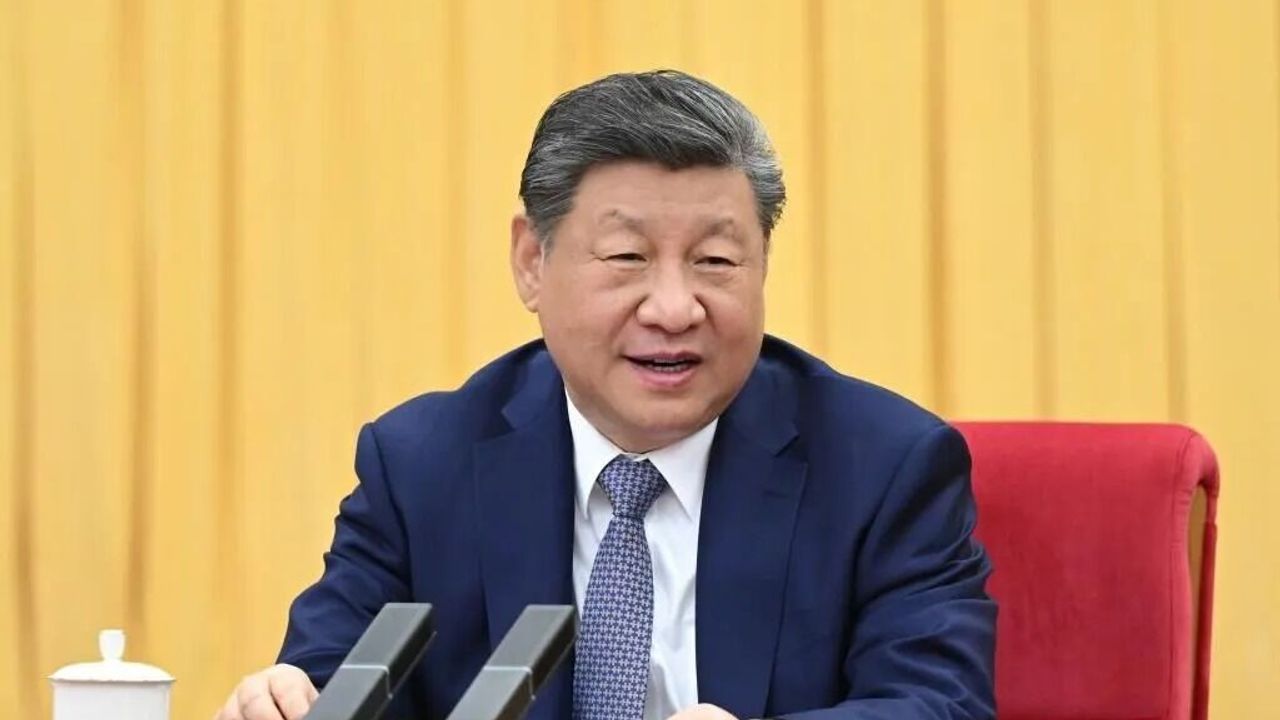
Chinese President Xi Jinping on March 5 urged major provincial economies to redouble efforts to gain experience in analyzing new situations and solving new problems. Xi, also General Secretary of the Communist Party of China (CPC) Central Committee and chairman of the Central Military Commission, made the remarks while taking part in a deliberation with his fellow deputies from the delegation of Jiangsu Province at the fourth session of the 14th National People's Congress (NPC), China's national legislature.
To fulfill the development goals of the 15th Five-Year Plan period (2026-2030), China must navigate a more complex environment and resolve more deep-seated contradictions, he said. After listening to presentations from several NPC deputies, Xi laid out the requirements for Jiangsu, an economic powerhouse in east China, to advance economic and social development over the next five years. With solid foundations, the province should take the lead in developing new quality productive forces, which is crucial to driving high-quality development and enhancing economic competitiveness, Xi said.
Xi urged the province to promote the integrated development of education, technology and talent, and strive to make breakthroughs in original innovation and core technologies in key fields. Jiangsu should break new ground in upgrading traditional industries, bolstering emerging industries, and making forward-looking plans for future industries, Xi said, calling for new progress in further deepening reform and removing the institutional barriers that hinder the development of new quality productive forces.
Stressing the role that major provincial economies play in underpinning national economic stability, Xi said that Jiangsu needs to continue strengthening its economic resilience and comprehensively integrate into the unified national market, while expanding its high-standard opening up and broadening its access to global markets.
Noting that Chinese modernization is the modernization of common prosperity for all, he said that Jiangsu must take the initiative to tackle such tasks as promoting high-quality and sufficient employment, increasing the incomes of urban and rural residents, and improving basic public services and social security, as part of efforts to explore effective ways to achieve common prosperity for all.
Xi said effective Party governance provides a stronger guarantee for economic and social development, urging earnest efforts to organize and carry out the Party-wide education campaign on establishing and practicing the correct view of what it means to perform well. He also called for efforts to strengthen public trust through concrete steps in full and rigorous Party self-governance.
Call for Decisive Progress in Healthy China Initiative During 15th Five-Year Plan Period
Chinese President Xi Jinping on March 6 stressed unswervingly following the path of health development with Chinese characteristics to ensure decisive progress in advancing the Healthy China Initiative during the 15th Five-Year Plan period (2026-2030).
Xi made the remarks while attending a joint group meeting during the fourth session of the 14th National Committee of the Chinese People's Political Consultative Conference (CPPCC), the top political advisory body. The meeting was attended by national political advisors from the Chinese Peasants and Workers Democratic Party, the Jiusan Society, the sector of medicine and health, and the sector of welfare and social security.
Building a Healthy China by 2035 is a strategic decision made by the CPC Central Committee, and the 15th Five-Year Plan period is critical to achieving this goal, Xi said, emphasizing the need for coordinated planning and accelerated implementation. Six political advisors spoke at the meeting. After hearing their remarks, Xi delivered a speech. He noted that over the past year, the CPPCC has faithfully fulfilled its duties and responsibilities, offering advice and suggestions on areas including the 15th Five-Year Plan, thus making new contributions to the development of the cause of the Party and the country.
China is a socialist country, and a developing nation with a huge population and relatively large urban-rural and regional gaps, Xi said, adding that it is essential to proceed from China's actual conditions to advance the Healthy China Initiative. As the situation evolves, certain specific policies and measures related to health work need to be optimized and improved, Xi noted. He stressed the need to keep a clear mind and maintain strategic resolve on fundamental issues.
Xi called for efforts to pool strength and resources and take effective measures to improve the public health system, build a high-quality and efficient healthcare service system, and promote healthy and positive lifestyles. Xi underscored the importance of improving the framework of policies and institutions for the promotion of health, further deepening reforms, and advancing the application of scientific and technological innovation.
Noting that advancing the Healthy China Initiative requires the joint efforts of the entire society, Xi said the CPPCC should fulfill its roles as a specialized consultative body and put forward practical and effective policy recommendations.
As International Women's Day approaches, Xi, on behalf of the CPC Central Committee, extended festive greetings and best wishes to female lawmakers, political advisors, and staff members at the "two sessions". He also extended greetings to women from all ethnic groups and sectors across the country, including those in the Hong Kong Special Administrative Region, Macao Special Administrative Region, and Taiwan, as well as overseas Chinese women.
Stress Enhancing Political Loyalty in Military to Advance Defense Modernization
Chinese President Xi Jinping on March 7 stressed fully leveraging the unique strengths of enhancing political loyalty in the military, and called for concerted efforts to advance the modernization of national defense and the armed forces in a steady and sustained manner.
Xi made the remarks while attending a plenary meeting of the delegation of the People's Liberation Army and the People's Armed Police Force at the fourth session of the 14th National People's Congress.
Since the 18th CPC National Congress in 2012, the Party Central Committee has led the armed forces to improve political rectification and advance political loyalty in the military with unprecedented resolve and intensity, achieving significant results, Xi said. There must be no place in the military for those who are disloyal to the Party, nor any place for corrupt elements, Xi warned, adding that the fight against corruption must be unwaveringly advanced.
At the very start of the 15th Five-Year Plan period (2026-2030), efforts must be made to establish rigorous rules for strict oversight, and closely monitor key areas such as fund flows, the exercise of power, and quality control, Xi said. It is essential to fully strengthen the Party's leadership and Party building in the military, and make Party organizations at all levels even stronger, Xi said, stressing the need to translate the Party's leadership strength into development momentum.
It is important to consolidate the ideological foundation that ensures officers and soldiers follow the Party and its guidance, and ensure that modern weaponry and equipment are placed in the hands of politically committed personnel, Xi said. Xi called for systematically training personnel for joint operations, new types of combat forces, high-level sci-tech innovation, and high-level strategic management. He also highlighted the need to vigorously carry forward and promote the fine traditions of the Party and the military.